Nashville’s rental market scene is brimming with excitement as it undergoes a transformation, driven by nine emerging trends. From the influx of remote workers seeking a change in scenery to the popularity of micro-apartments, these trends are shaping the city’s rental landscape in fascinating ways. With an emphasis on sustainable living and community-driven spaces, Nashville’s rental market is evolving to cater to the diverse needs and preferences of its residents. Join us as we explore these emerging trends and discover how they are reshaping the way we live in Music City.
Table of Contents
Increase in Rental Demand
The city of Nashville has experienced a significant increase in the demand for rental properties in recent years. Several factors contribute to this surge in rental demand. Firstly, there has been a shift towards renting as more individuals and families prefer the flexibility and convenience that renting provides. Owning a home comes with various responsibilities, such as maintenance and mortgage payments, which can be daunting for some. Renting allows individuals to have a place to call home without the long-term commitment and financial obligations.
Another factor driving the increase in rental demand is the growing population of Nashville. The city has seen a steady influx of residents, both from other parts of Tennessee and from across the country. This population growth has resulted in a higher demand for housing, especially rental properties. As more people move to Nashville for employment opportunities and a vibrant lifestyle, the demand for rental housing continues to rise.
Additionally, low homeownership rates contribute to the increase in rental demand. Many individuals, particularly millennials, are delaying home purchases or opting for renting instead of buying. This can be attributed to factors such as student loan debt, changing lifestyles, and a preference for the flexibility that renting provides. With homeownership becoming less attainable for some, the rental market in Nashville has seen a surge in demand.
Rising Rental Prices
As the demand for rental properties in Nashville increases, so do rental prices. Limited inventory plays a significant role in driving up rental prices. There is a shortage of available rental units in Nashville, particularly in desirable neighborhoods and areas close to downtown. This scarcity of rental options leads to increased competition among potential renters and pushes rental prices higher.
The strong economy of Nashville also contributes to the rise in rental prices. The city has experienced significant economic growth in recent years, attracting businesses and creating job opportunities. With more people moving to Nashville for employment, the demand for rental properties increases, driving up rental prices.
Nashville’s desirability as a city also plays a role in the rising rental prices. The city’s vibrant music scene, variety of entertainment options, and pleasant climate make it an appealing place to live. The high demand for housing, coupled with the city’s desirability, results in increased competition for rental properties and subsequently higher rental prices.
Growth of Luxury Rentals
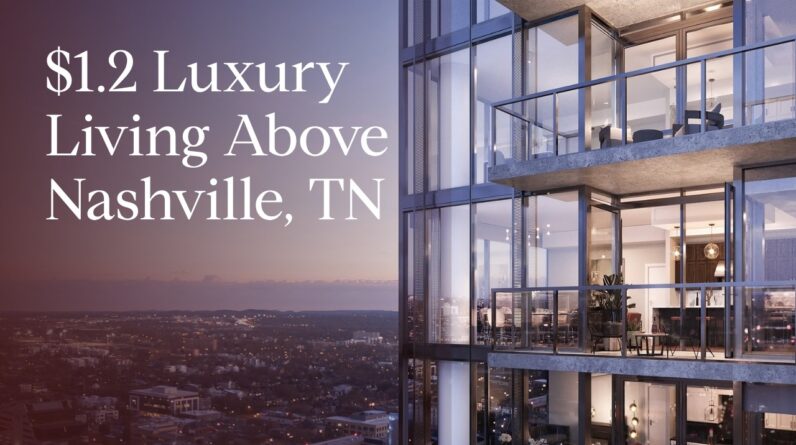
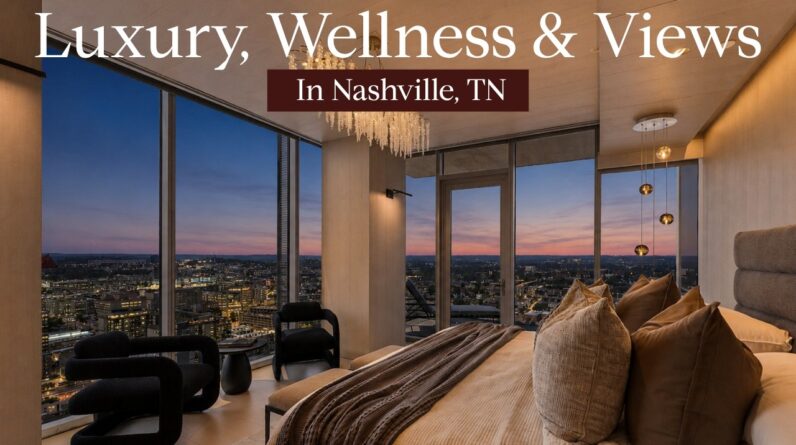
Nashville’s rental market has witnessed a noticeable trend towards luxury rentals. There is a growing demand for high-end amenities among renters, who seek a luxurious and comfortable lifestyle. Developers have responded to this demand by constructing luxury apartments and condominiums that cater to the needs and desires of affluent renters.
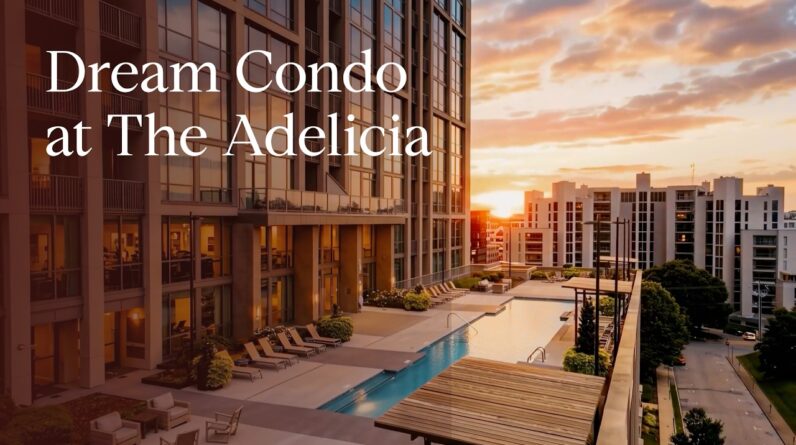
Luxury rental properties offer a wide range of amenities, such as upscale finishes, state-of-the-art fitness centers, rooftop pools, and concierge services. These offerings create an elevated living experience for renters who are willing to pay a premium for the added luxuries. The demand for such properties has been met with increased investment in luxury rental developments throughout Nashville.
Moreover, luxury rentals appeal not only to wealthy individuals but also to corporate executives, celebrities, and professionals who value convenience, convenience, and prestige. The growth of luxury rentals in Nashville reflects the city’s evolving rental market and the desire for a higher standard of living among affluent renters.
Development of Co-Living Spaces
Co-living spaces have gained popularity in the Nashville rental market, particularly among young professionals. These shared living arrangements offer a unique housing solution that fosters a sense of community and social interaction. Co-living spaces typically consist of private bedrooms and shared common areas, such as kitchens, living rooms, and sometimes even workspaces.
The appeal of co-living spaces lies in the affordability they provide. Renting a private bedroom in a co-living space is often more budget-friendly compared to renting an entire apartment or house. This affordability makes co-living attractive to young professionals who are just starting their careers and looking to save on housing expenses.
Furthermore, co-living spaces promote increased social interaction among residents. With shared common areas, renters have the opportunity to meet and connect with like-minded individuals, fostering a sense of community and belonging. This social element is particularly appealing to young professionals who are new to Nashville and looking to build a network of friends and acquaintances.
Impact of Short-Term Rentals
Short-term rentals, facilitated by platforms like Airbnb, have had an impact on the long-term rental availability in Nashville. Many property owners have opted to rent their properties on a short-term basis, targeting tourists and visitors rather than long-term residents. This has reduced the number of rental units available for local renters, contributing to a tighter rental market.
Additionally, short-term rentals have posed regulatory challenges for Nashville. As the popularity of platforms like Airbnb grew, city officials implemented regulations to control the impact of short-term rentals on residential neighborhoods. These regulations involve licensing requirements, occupancy limits, and zoning restrictions to ensure a balance between the needs of tourists and the availability of housing for local residents.
The rise of short-term rentals also creates competition for housing units. Investors and property owners may see greater financial potential in renting their properties on a short-term basis, given the higher nightly rates that can be achieved in comparison to traditional long-term rentals. This has led to a reduction in available housing options for long-term renters and increased competition for the limited rental units in Nashville.
Emphasis on Sustainable Living
Nashville’s rental market has seen an increasing emphasis on sustainable living. Energy-efficient rental properties have become more prevalent as property owners and developers prioritize environmentally friendly practices. These properties often incorporate features such as energy-efficient appliances, LED lighting, and smart thermostats, which help reduce energy consumption and lower utility bills for renters.
Furthermore, green building practices have gained traction in Nashville’s rental market. Developers are constructing rental properties with sustainable materials and incorporating design elements that minimize their environmental impact. These green buildings often incorporate features such as solar panels, rainwater harvesting systems, and efficient insulation. The emphasis on sustainable living reflects the city’s commitment to reducing its carbon footprint and creating a more environmentally conscious community.
The rising popularity of eco-friendly living among renters can be attributed to shifting attitudes towards environmental sustainability and the desire to contribute to a greener future. As more individuals prioritize sustainability in their lifestyle choices, the demand for energy-efficient and environmentally friendly rental properties continues to grow in Nashville.
Shift towards Remote Work
The COVID-19 pandemic has accelerated the shift towards remote work, and this change is impacting Nashville’s rental market. As more companies adopt flexible work arrangements, individuals are no longer tied to a specific location for their employment. This newfound flexibility has led to a preference for rental properties that can accommodate remote work needs.
Renters now prioritize the availability of home office spaces or versatile living arrangements that can be transformed into a functional workspace. Properties with dedicated office areas or additional rooms that can be utilized as home offices have become increasingly sought after. The ability to work comfortably from home has become a top priority for many renters in Nashville.
The shift towards remote work also allows individuals to consider rental properties in areas outside of the city center or traditional employment hubs. With the option to work remotely, renters have more flexibility in choosing their desired location, considering factors such as affordability, lifestyle amenities, and proximity to recreational areas. This shift in preferences has opened up new opportunities for rental properties in previously overlooked neighborhoods or suburbs.
Integration of Technology
Technology integration has become an essential aspect of Nashville’s rental market. Rental properties are increasingly equipped with smart home features that enhance convenience, security, and efficiency for renters. These features may include smart thermostats, remote-controlled lighting systems, keyless entry, and voice-activated assistants. The integration of technology allows renters to manage their living space more efficiently and enjoy a seamless and modern living experience.
Moreover, digital leasing processes have become more prevalent in Nashville’s rental market. Renters can now complete leasing applications, sign contracts, and make rent payments online. These streamlined digital processes eliminate the need for physical paperwork and reduce administrative burdens for both tenants and landlords. The ease and convenience of digital leasing have become increasingly important to renters in Nashville.
Tech-driven property management has also emerged as an essential component of the rental market. Landlords and property management companies utilize technology platforms to efficiently communicate with tenants, handle maintenance requests promptly, and provide online portals for rent payment and lease management. This technology-driven approach ensures a smooth and hassle-free rental experience for tenants while allowing landlords to effectively manage their properties.
Desire for Community Amenities
Renters in Nashville are increasingly seeking rental properties that offer a wide range of community amenities. The demand for shared spaces, such as communal lounges, rooftop terraces, and co-working areas, has grown rapidly. These amenities provide opportunities for social interaction among residents and create a sense of community within the rental property.
Fitness centers and pools have become highly sought-after amenities in rental properties. Renters value the convenience of having on-site fitness facilities, allowing them to maintain an active lifestyle without the need for a gym membership. Similarly, access to pools and outdoor recreational areas is desirable in Nashville’s warm climate, providing renters with opportunities for relaxation and enjoyment.
Convenience-focused features also play a significant role in renters’ preferences. Amenities such as package delivery lockers, on-site laundry facilities, and resident parking are highly valued by tenants. These features contribute to a convenient and stress-free living experience, reducing the need to coordinate deliveries, find off-site laundry services, or search for parking spaces.
Impact of COVID-19
The COVID-19 pandemic has had a profound impact on Nashville’s rental market, causing shifts in rental preferences and market dynamics. With the increased emphasis on remote work, renters have reevaluated their housing needs and preferences. The desire for larger living spaces, home offices, and access to outdoor areas has become more pronounced.
Additionally, economic uncertainty resulting from the pandemic has affected the rental market. Many individuals have experienced job losses, reduced incomes, or financial insecurities, leading to a cautious approach towards housing expenses. This has created challenges for landlords and property owners, as potential renters may be more hesitant to commit to long-term lease agreements.
Furthermore, the rental market has experienced changes in terms of market dynamics. The supply and demand balance has shifted as some renters have chosen to transition from urban living to suburban areas or larger properties outside the city. On the other hand, there may be a temporary decrease in rental demand in specific sectors, such as short-term rentals catering to tourists and visitors.
In conclusion, Nashville’s rental market is witnessing several emerging trends that are shaping the landscape of rental properties in the city. The increasing demand for rentals, rising prices, and the growth of luxury rentals reflect the evolving needs and preferences of renters. Co-living spaces, sustainable living, and technology integration are catering to the changing lifestyles and values of tenants. The impact of short-term rentals, the desire for community amenities, and the influence of the COVID-19 pandemic are also reshaping Nashville’s rental market scene. As the city continues to grow and evolve, the rental market will likely adapt to meet the needs of residents and provide a wide range of housing options.