Table of Contents
Furnished vs. Unfurnished Apartments in Nashville: Key Differences and What to Consider
Understanding the Appeal of Furnished Apartments in Nashville
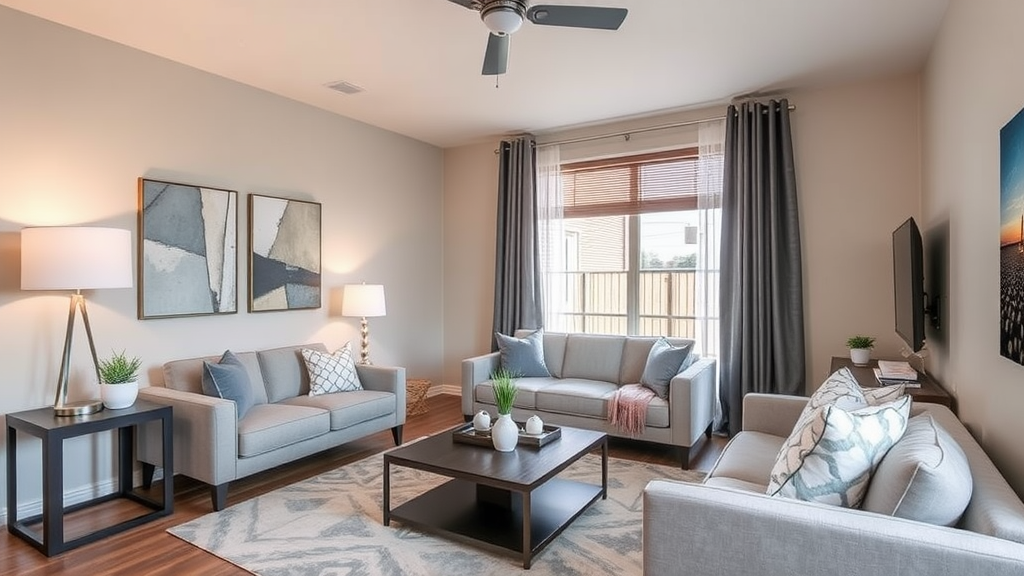
Choosing a furnished apartment in Nashville means stepping into a ready-made living space, complete with essential furniture and appliances. This option often appeals to professionals relocating for work, students, or those seeking a short-term rental without the hassle of moving bulky furniture. Furnished apartments can include everything from sofas and beds to kitchen utensils and entertainment centers, making your transition smoother and faster.
One of the significant advantages of furnished apartments is the convenience they offer. Since these apartments are move-in ready, you can save time and money on buying or transporting furniture. Additionally, many furnished units come with flexible lease terms, which is ideal for people unsure about their long-term plans in Nashville.
However, this convenience sometimes comes at a premium. The monthly rent for furnished apartments in Nashville tends to be higher compared to unfurnished units. This increase reflects the added value of the furniture and the management associated with maintaining these items. Therefore, it’s essential to weigh whether the ease of immediate occupancy justifies the extra cost for your budget.
Why Some Renters Prefer Unfurnished Apartments
Unfurnished apartments in Nashville offer a blank slate, allowing tenants to personalize their space with their own furniture and decor. This can create a more home-like atmosphere, especially for long-term residents who want their living environment to reflect their personality and style.
Another benefit of leasing an unfurnished apartment is cost efficiency. Typically, unfurnished apartments have lower monthly rent than their furnished counterparts. This aspect makes them more attractive for budget-conscious renters or those planning to stay in one place for an extended time. You might spend more initially furnishing the space, but over time, it can balance out to be more economical.
On the flip side, moving into an unfurnished apartment requires more effort and upfront investment. Acquiring furniture and appliances can be costly and time-consuming. Plus, transporting large items to your new home in Nashville can add logistical challenges to your move.
Key Factors to Consider When Choosing Between Furnished and Unfurnished Apartments
Making the right choice between furnished and unfurnished apartments depends on several personal and practical factors. Reflecting on these points helps you align your apartment choice with your lifestyle and financial goals.
- Length of Stay: If you’re planning to stay in Nashville for a short period, furnished apartments offer unmatched convenience. For longer stays, unfurnished apartments may be more cost-effective and customizable.
- Budget Constraints: Analyze your monthly budget and initial move-in costs. Renting furnished often means a higher monthly rate but fewer upfront expenses, whereas unfurnished apartments usually have lower rent but higher initial costs for furniture.
- Flexibility and Lifestyle: Consider how often you move or if you have existing furniture. Frequent movers or travelers benefit from furnished units, while those settled and invested in their own style lean towards unfurnished.
- Storage Needs: Some renters have furniture or belongings they plan to keep. An unfurnished place suits those wanting to bring their belongings, while furnished units may limit your possessions due to space or lease terms.
- Lease Terms: Furnished apartments often come with shorter leases, perfectly fitting temporary residents. Traditional unfurnished apartments usually require longer leases, appealing to people ready to set roots.
How Nashville’s Rental Market Influences Your Choice
Nashville’s booming rental market brings unique influences on furnished and unfurnished apartment availability. The city’s vibrant music scene, growing job market, and influx of young professionals create steady demand for both rental types.
Furnished apartments in popular neighborhoods like Downtown, The Gulch, or East Nashville tend to attract transient renters who appreciate quick move-ins. These units appeal to visiting professionals, interns, and students needing a comfortable, temporary living situation. In contrast, unfurnished apartments in suburban areas such as Green Hills or Madison often cater to families and long-term renters seeking stability and space to personalize their homes.
Understanding local rental trends can help you find deals and ensure the apartment you choose aligns with your lifestyle preferences. It’s always a good idea to research the neighborhoods and available options thoroughly before making a decision.
Final Thoughts on Making the Best Decision for Your Nashville Apartment
Deciding between furnished and unfurnished apartments in Nashville requires balancing convenience, cost, lifestyle, and future plans. If you need a hassle-free move and short-term housing, furnished apartments provide a practical solution. However, if you prefer a personalized space and plan to stay longer, an unfurnished apartment might be the better value.
Whichever path you choose, consider visiting multiple properties and reviewing lease agreements carefully. Ask about included furnishings, lease flexibility, and maintenance responsibilities. These details impact your living experience and overall satisfaction.
Ultimately, your decision should focus on what suits your unique circumstances best while providing a comfortable, enjoyable home in Nashville.
Budgeting for Furnished and Unfurnished Rentals in Nashville
When looking for a place to stay in Nashville, deciding between furnished and unfurnished apartments is a key step that directly impacts your budget. Each option comes with distinct financial considerations, so understanding the differences helps you manage your expenses wisely and avoid surprises later.
Upfront Costs to Consider
Furnished apartments generally come with higher upfront costs compared to unfurnished ones. Since these rentals include furniture and appliances, landlords often charge a premium for the convenience and immediate livability. This higher price can be reflected in a larger security deposit or a higher monthly rent. On the other hand, unfurnished apartments may have lower deposit requirements, but you’ll need to spend money furnishing the space yourself.
Monthly Rent Differences
The monthly rent for furnished apartments in Nashville tends to be significantly more expensive. This is due to the bundled value of furniture and household items, maintenance of those items, and often the flexibility that furnished rentals offer for short-term leases. If you’re planning to stay long-term, an unfurnished apartment might be more cost-effective because the rent usually reflects just the space, not the included furnishings.
Additional Expenses for Unfurnished Rentals
While renting unfurnished apartments may lower your initial rental costs, there are additional expenses to prepare for:
- Furniture and Appliances: You will need to purchase or rent essential items such as beds, sofas, tables, and kitchen appliances. Depending on your style and preferences, outfitting an apartment can range from a few hundred to several thousand dollars.
- Moving and Delivery Fees: Transporting furniture or ordering new pieces often includes delivery fees and installation charges, adding to the overall moving budget.
- Maintenance and Replacement: Over time, furniture will wear out or become outdated, resulting in replacement costs. In furnished apartments, these costs are mostly the landlord’s responsibility.
Saving Opportunities in Furnished Rentals
If you’re relocating to Nashville temporarily or need flexibility, furnished apartments can actually save you money in some scenarios. Since furniture is included, you avoid the upfront purchasing costs. Moreover, many furnished rentals come furnished so you don’t need to worry about the hassle and cost of buying, moving, and eventually selling or storing furniture. Utilities and internet services are sometimes bundled into these rentals, which can simplify budgeting.
Lease Terms and Their Financial Impact
Furnished apartments commonly cater to short-term renters and often come with month-to-month leases or shorter commitments. Because of this, landlords charge a higher premium to cover their risk and the turnover costs of managing an apartment frequently. Unfurnished rentals, in contrast, typically require a year-long lease, sometimes longer. These longer commitments usually translate to more stable and predictable rent prices.
Hidden Costs to Watch Out For
Whether you choose furnished or unfurnished apartments, some hidden expenses should be accounted for:
- Cleaning Fees: Furnished apartments may charge extra cleaning fees due to regular wear and tear on furniture.
- Insurance: In an unfurnished apartment, renters insurance might need to cover your furniture and personal belongings, potentially increasing premiums.
- Utility Bills: Check if utilities like water, electricity, and internet are included. Furnished units sometimes have these included, which could help offset rent costs.
Practical Tips to Manage Your Budget
To make the best financial decision for your Nashville stay, consider the following advice:
- Assess Your Stay Length: If your move is temporary, the convenience of furnished rentals may justify the higher cost.
- Calculate Total Costs: Don’t just focus on rent. Factor in deposits, furniture purchases, utilities, and insurance.
- Negotiate Lease Terms: Sometimes landlords can adjust terms based on the length of your lease or other factors, possibly reducing overall cost.
- Research Rent Rates: Compare furnished vs. unfurnished listings in your preferred Nashville neighborhood to understand pricing differences.
- Consider Resale or Storage: If buying furniture, think about resale possibilities or storage fees if you plan to move again soon.
Budgeting for furnished versus unfurnished apartments in Nashville requires a balanced look at immediate and long-term expenses. While furnished options offer convenience and flexibility, they come with premiums that may not suit every budget. Unfurnished apartments might be pricier in setup but can save you money in monthly rent and offer the chance to personalize your space. Knowing these factors allows you to make a smarter, cost-efficient housing choice that fits your lifestyle and financial goals.
Flexibility and Lease Terms: How They Vary Between Furnished and Unfurnished Apartments
Lease Flexibility in Furnished Rentals
When considering furnished apartments in Nashville, one of the primary benefits is the flexibility offered in lease terms. Furnished units are often popular among professionals relocating temporarily, students, or individuals who need short-term accommodations. This demand has encouraged landlords to provide leases that range from as short as one month to several months, allowing tenants to move in with minimal commitment.
Because these apartments come ready with furniture, appliances, and essential household items, tenants can avoid the hassle and expense of purchasing or transporting furniture. The convenience factor plays a big role in the willingness to accommodate shorter, more flexible lease options. Many providers specialize in turnkey furnished rentals, providing added services like utilities and internet bundled into the monthly rent, which further simplifies the leasing process.
Standard Lease Terms for Unfurnished Apartments
On the other hand, unfurnished apartments in Nashville tend to adhere more strictly to traditional lease agreements. These usually involve a minimum lease term of six to twelve months. Because the tenant is responsible for bringing all their own furniture and household goods, landlords expect a longer commitment to ensure stability and reduce frequent tenant turnover.
While some landlords may offer six-month leases, it’s common to see annual lease terms dominate in the unfurnished market. This approach helps landlords maintain a consistent rental income and limits wear and tear caused by frequent moves. Additionally, leases for unfurnished units generally require a more substantial security deposit, reflecting the tenant’s responsibility for furnishing and maintaining the space.
Advantages of Flexible Lease Terms in Furnished Apartments
- Perfect for short-term stays: Ideal for contractors, interns, or travelers who need hassle-free, temporary housing.
- Minimal move-in preparation: With furniture and essentials ready, you avoid extra costs and time spent shopping or moving items.
- Inclusive utilities and services: Many landlords bundle utilities, internet, and maintenance, simplifying budgeting and responsibilities.
- Ease of relocation: You can move in or out quickly without dealing with selling or donating furniture.
Considerations When Leasing an Unfurnished Apartment
- Longer lease commitment: Typically requires signing at least a 6 to 12-month lease, less accommodating for transient lifestyles.
- Furniture needs: You must arrange and finance your own furnishings, which can be costly upfront.
- Customization opportunities: More flexibility to decorate and personalize your space since you provide the furniture.
- Potential cost savings over time: While initial expenses are higher, unfurnished units often have a lower monthly rent compared to comparable furnished units.
How Market Demand Shapes Lease Terms
Nashville’s rental market fluctuates throughout the year, impacting lease term availability. Furnished apartments see higher demand during summer months, coinciding with university sessions and short-term job assignments. During these periods, landlords are motivated to offer variable lease lengths, sometimes including week-to-week or month-to-month options.
In contrast, unfurnished apartments tend to attract long-term renters looking to settle or establish residency. This demand pattern stabilizes lease terms but reduces flexibility for those seeking short stays. Understanding these market rhythms can help you negotiate better lease options based on when you plan to rent.
Financial Implications of Lease Flexibility
Flexible leases in furnished apartments generally come at a premium due to the convenience and included amenities. The monthly rent is typically higher to offset the costs of furniture maintenance, turnover, and shorter tenant stays. However, this can be cost-effective for renters who need temporary lodging without the burden of furniture expenses and long-term commitments.
Conversely, unfurnished apartments offer lower monthly rents but often require larger initial outlays for deposits and furnishing. The extended lease terms also mean you are locked in for a period, which can be less forgiving if your living situation changes suddenly.
Tips for Choosing the Right Lease Type in Nashville
When deciding between furnished and unfurnished apartments, consider your lifestyle and duration of stay first. If your move to Nashville is temporary or uncertain, a furnished apartment with flexible lease terms can provide peace of mind and ease. Be sure to inquire about all lease options and possible penalties for early termination.
If you plan to stay several years and have a stable situation, an unfurnished apartment might be more economical and allow for full personalization. Always review lease agreements carefully, paying attention to the length, renewal policies, deposits, and any clauses related to furniture or utilities.
Navigating Lease Negotiations
Regardless of the type of apartment, Nashville renters can often negotiate lease terms before signing. For furnished units, you can ask about prorated rent for shorter stays or bundled services. For unfurnished units, negotiating for shorter leases or flexible break clauses might be possible depending on the landlord’s willingness.
Remember, open communication and understanding the landlord’s priorities can lead to more favorable lease arrangements tailored to your needs.
Lifestyle Impact: How Your Daily Routine Changes with Furnished vs. Unfurnished Living
When you decide between a furnished or unfurnished apartment in Nashville, your day-to-day life will naturally shift based on this choice. Each option shapes how you live, relax, socialize, and maintain your home. Understanding these lifestyle impacts can help you pick the best fit for your needs and preferences, ensuring you feel comfortable and productive in your new space.
Daily Convenience and Move-In Process
One of the most immediate lifestyle changes comes from how quickly you can settle into your apartment. Choosing a furnished apartment means you can move in with just your personal belongings and start living comfortably from day one. The presence of essential items like beds, sofas, dining tables, and kitchenware means you don’t have to worry about shopping for or transporting bulky furniture.
On the other hand, an unfurnished apartment involves a longer setup period. You’ll need to acquire furniture, either by buying new pieces or moving your own. This process demands time, effort, and sometimes a significant upfront expense. This can disrupt your routine and add stress during what should be an exciting transition to a new home.
Personalization and Comfort
Living in an unfurnished apartment offers a high degree of personalization. You get to choose colors, styles, and furniture layouts that match your preferences and lifestyle. Over time, this can make your apartment feel truly like home because you’ve curated it to fit your personality and needs.
Furnished apartments provide less room for personal expression since the landlord usually supplies the furniture. While some apartments might offer variations or allow you to add your own items, the base setup remains fixed. This can be limiting if you enjoy redecorating or want your space to reflect your unique style.
Maintenance and Household Management
Managing a furnished apartment often involves less worry about the condition of furniture and appliances since these are typically maintained by the landlord or property manager. If something breaks, you usually just notify them, and they handle repairs or replacements. This arrangement can lower the mental load of home upkeep and free up more time for your daily activities.
In unfurnished apartments, you are responsible for all furniture and appliance maintenance. This includes everything from repairing a broken chair to replacing worn-out kitchen gadgets. For some people, this hands-on approach fosters a deeper sense of ownership and care for their living space. However, it also requires more time, money, and attention, which may complicate your daily routine.
Flexibility in Lifestyle
If your life often involves moving for work, school, or adventure, a furnished apartment can provide unmatched flexibility. Since most essentials are in place, packing up and relocating is simpler and faster. This suits those whose lifestyles demand agility and minimal hassle.
Conversely, unfurnished apartments are better suited for long-term stays. Investing in furniture makes sense when you plan to stay for several years. You can build a stable and consistent living environment, which can positively influence your daily habits, sleep quality, and relaxation after a busy day.
Social Dynamics and Hosting
Your ability to entertain guests also changes depending on whether your apartment is furnished. A furnished space with sofas, dining sets, and extra chairs encourages hosting friends and family. You have the essentials for conversation areas and meals, which can enhance your social life and offer more daily enjoyment.
In an unfurnished apartment, hosting can be more challenging initially without the necessary seating and tables. However, as you accumulate your own furniture and tailor the space to your preferences, your home can become a unique social hub that reflects your style and hospitality approach.
Impact on Daily Comfort and Routine
Furnished apartments provide a uniform level of comfort right away, which can aid in establishing a smooth daily routine. You don’t need to disrupt your schedule adapting the space to your needs or searching for missing items. This stability might allow you to focus better on work, studies, or personal goals.
Living unfurnished requires adapting as you build out your environment. Your routine might include trips to furniture stores, setting up delivery appointments, and arranging your belongings. Though these activities can feel disruptive at first, they also offer a rewarding sense of accomplishment and personalization that enhances daily life over time.
Financial Lifestyle Implications
While lifestyle is more than money, your budget heavily influences daily choices. Furnished apartments often come with slightly higher monthly rents, reflecting the convenience and included items. You save on furniture costs upfront, but your ongoing living expenses may be higher, affecting your spending in other aspects of life.
Unfurnished apartments usually have lower rent but require upfront investment in furniture and appliances. This might mean adjusting your monthly expenses to accommodate these one-time purchases, impacting how freely you can spend on entertainment, dining, or travel during your initial months.
Summary of Lifestyle Changes
- Speed of Settling In: Furnished apartments allow an immediate comfortable lifestyle; unfurnished require more time to set up.
- Personalization: Unfurnished spaces offer more choices to reflect your style.
- Home Maintenance: Furnished tenants have fewer repair responsibilities.
- Flexibility: Furnished suits frequent movers; unfurnished fits long-term residents.
- Socializing: Furnished homes facilitate hosting sooner.
- Daily Comfort: Furnished apartments provide immediate comfort; unfurnished improve comfort gradually as you personalize.
- Financial Planning: Furnished may have higher rent; unfurnished requires furniture investment.
Ultimately, the choice between furnished and unfurnished apartments in Nashville shapes more than just your living space—it crafts how you experience your daily life. Consider your lifestyle priorities carefully to make a choice that supports a happy, convenient, and balanced routine.
Neighborhood and Amenities: Choosing Between Furnished and Unfurnished Homes in Nashville
Evaluating Neighborhoods When Renting in Nashville
When searching for a new place in Nashville, one of the first decisions you’ll face is whether to rent a furnished or unfurnished apartment. While the type of home matters, the neighborhood and its amenities play an equally important role in shaping your living experience. Nashville offers a variety of neighborhoods, each with its own unique atmosphere, amenities, and accessibility, which can influence whether a furnished or unfurnished home suits your lifestyle better.
If you prefer vibrant city life with easy access to restaurants, entertainment, and nightlife, areas like Downtown Nashville, The Gulch, or East Nashville might appeal to you. These neighborhoods are known for their walkability and numerous amenities. Often, rental apartments in these locations come furnished to attract short-term renters and busy professionals who want to avoid the hassle of moving bulky furniture. Having a furnished apartment here means you can move in quickly and start enjoying the neighborhood without delay.
On the other hand, if you are seeking a quieter, suburban vibe with family-friendly parks and good schools, neighborhoods such as Green Hills, Bellevue, or Brentwood become great choices. These areas typically have bigger living spaces and more traditional rentals that are unfurnished, giving tenants the chance to customize their home with their own furniture and style. If you plan to settle long term, an unfurnished apartment allows you to create a personalized and comfortable space that reflects your taste.
How Amenities Affect Your Choice Between Furnished and Unfurnished Rentals
Amenities are a vital part of the apartment renting equation in Nashville. Modern complexes offer everything from fitness centers, swimming pools, and gated parking to shared workspaces and pet areas. The availability and type of amenities can differ between furnished and unfurnished rentals, depending on the neighborhood and building age.
Furnished apartments often come in newer developments with extensive amenities designed to appeal to renters seeking convenience and an upscale lifestyle. For example, you might find a furnished unit in a high-rise in Downtown housing a state-of-the-art gym or rooftop lounge, which are perfect for young professionals. The perks included with furnished apartments often justify slightly higher rents because you get both convenience and lifestyle benefits packed together.
Unfurnished apartments, while sometimes located in older buildings, can offer advantages like bigger kitchens, backyards, or more practical layouts. Though these might lack a fancy gym or pool, tenants might have easier access to nearby parks, local grocery stores, or community centers. If you prefer using nearby public amenities over on-site features, an unfurnished home in these neighborhoods might suit your needs better and may also offer more affordable pricing.
Consider Your Rental Timeline and Flexibility
Your length of stay is another important factor linking neighborhood, amenities, and furnished versus unfurnished choices. If you anticipate living in Nashville temporarily—such as for a few months while on a work assignment or internship—a furnished apartment near the heart of the city makes moving simple and stress-free. These homes cater to short stays and often include utilities, internet, and housewares, reducing the need for upfront purchases.
Conversely, a long-term resident aiming to immerse themselves in a tighter-knit community might find better value in an unfurnished rental. Moving into a neighborhood like Sylvan Park or 12 South, where you can furnish your home gradually, can help you settle down comfortably. You’ll have control over your home’s interior design, and building relationships with neighbors becomes a natural part of your experience.
Additional Factors to Weigh
- Financial Considerations: Furnished apartments in popular Nashville neighborhoods generally cost more upfront. However, unfurnished homes might require a larger initial investment for furniture and household essentials.
- Moving Convenience: Furnished units offer quick and easy moves, ideal for people who want flexibility.
- Personalization: Unfurnished homes provide a blank slate where you can bring your style and create a unique living space.
- Neighborhood Lifestyle: Active urban centers tend to lean towards furnished rentals, while quiet residential areas favor unfurnished homes with more space.
Deciding between furnished and unfurnished in Nashville ultimately hinges on your priorities—how much you value neighborhood culture, the kinds of amenities you want nearby or included, and how long you plan to stay. Careful consideration of these factors will help you select a home that fits your lifestyle, whether it’s a sleek furnished apartment in the bustling Gulch or a spacious unfurnished home in the peaceful suburbs.
Conclusion
Choosing between furnished and unfurnished apartments in Nashville ultimately comes down to your personal needs, budget, and lifestyle. Furnished rentals offer convenience and flexibility, making them ideal if you need a short-term stay or prefer to avoid the hassle of buying and moving furniture. However, they often come with higher monthly rents and less freedom to personalize your space.
On the other hand, unfurnished apartments give you the chance to create a living environment that truly feels like home. While the upfront costs for furniture can be significant, these apartments typically have lower rents and longer lease terms, offering more stability. Your daily routine may feel more settled as you tailor your space to fit your habits and preferences.
Budget is a key factor to weigh carefully. Furnished apartments can simplify expenses but might stretch your monthly budget, whereas unfurnished options require more initial investment but can be more economical over time. Lease flexibility also differs; furnished properties usually accommodate shorter stays, supporting more spontaneous or transitional living situations.
Consider the neighborhood and amenities. Some Nashville areas might cater more toward furnished rentals, especially near business hubs or universities, while others offer unfurnished homes in quieter, residential settings. Amenities may vary, but your choice should align with how you want to experience life in the city.
Weighing the pros and cons based on these factors will guide you to the apartment type that feels right for your Nashville journey. Whether you lean toward furnished convenience or unfurnished customization, making an informed decision ensures a comfortable and fulfilling living experience.