Table of Contents
Moving to Nashville? Essential Tips Before Renting Your First Home
Relocating to Nashville offers an exciting opportunity to experience a vibrant music scene, diverse neighborhoods, and Southern charm. However, before you sign a lease and settle into your first rental home in the Music City, there are several important aspects to consider. Being well-prepared can make your transition smoother and ensure you find the right place that fits your lifestyle and budget.
Understanding the Nashville Rental Market
The demand for rentals in Nashville has grown steadily over the years due to population growth and influx of professionals and students. This means that rental properties can move quickly, and prices vary widely depending on the neighborhood and property type.
It’s important to start your search early. Ideally, begin looking at listings one to two months before your move-in date. Popular neighborhoods like East Nashville, The Gulch, and 12 South tend to have higher rents but offer excellent amenities and walkability. More affordable options can be found in areas like Antioch and Hermitage, though commute times may be longer.
Budgeting Carefully
Before renting your first home, assess your finances realistically. Besides monthly rent, factor in utility costs, internet, renter’s insurance, and potential parking fees. Nashville’s utility costs are generally reasonable, but older homes may have higher heating or cooling expenses.
Many landlords require a security deposit equal to one month’s rent, and some may ask for first and last month’s rent upfront. Prepare to cover these upfront costs to avoid any surprises when leasing.
Must-Know Rental Requirements and Lease Terms
Landlords in Nashville typically conduct background and credit checks, so make sure to have your documents ready when applying. This may include:
- Proof of income (pay stubs, employment letter)
- Photo ID
- Rental references or previous landlord information
Lease agreements often range from 6 to 12 months. Understand the terms carefully, especially concerning renewal options, early termination fees, and maintenance responsibilities. Some landlords may offer month-to-month leases, but these tend to have higher monthly rates.
Choosing the Right Neighborhood
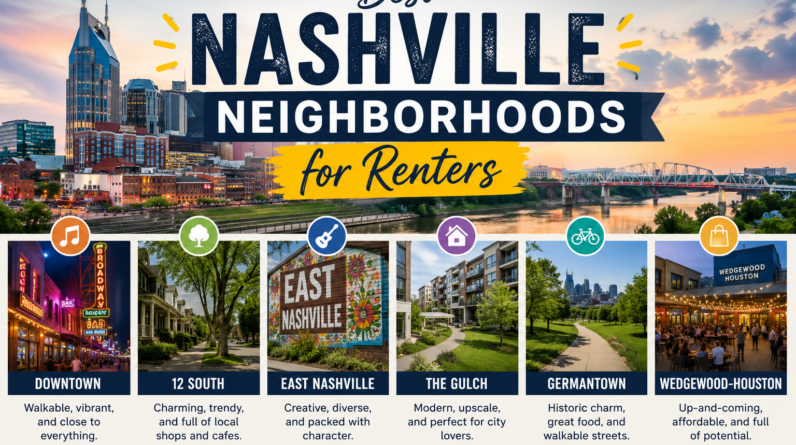
Your ideal neighborhood depends on your lifestyle and priorities. Here’s a snapshot of popular areas to help guide your rental search:
- Downtown Nashville: Perfect for those who want a trendy, urban vibe close to nightlife and entertainment.
- East Nashville: Known for its artistic community, local eateries, and vibrant culture. Great for young professionals and creatives.
- Green Hills: Offers upscale shopping and quieter residential streets ideal for families.
- Berry Hill: A smaller neighborhood close to music studios, loved by recording artists and musicians.
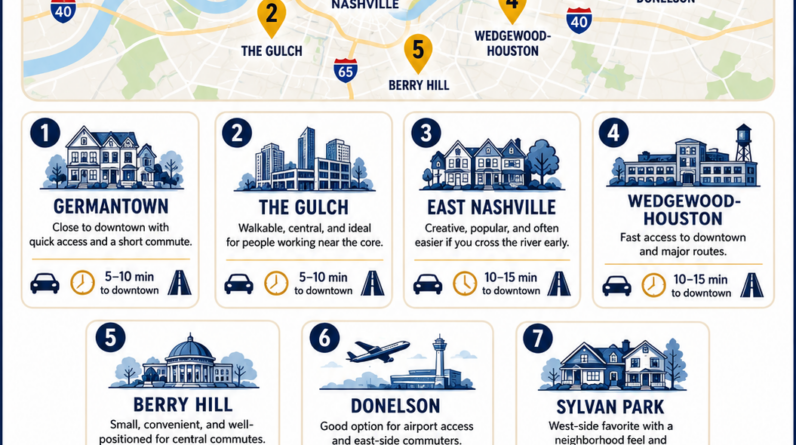
Consider your commute to work or school as Nashville’s traffic can get busy during peak hours. Public transit options exist but are not as extensive as in larger cities, so having a car might be essential depending on your location.
Inspecting the Property Thoroughly
Before signing a lease, visit the property in person to check its condition comprehensively. Look for potential issues such as:
- Water damage or mold
- Heating and cooling system functionality
- Plumbing leaks or drips
- Security features such as working door locks and outdoor lighting
- Noise levels during different times of day
- Condition of appliances
If you’re renting an apartment complex, evaluate common areas, parking availability, and building maintenance. Don’t hesitate to ask the landlord how maintenance requests are handled and what the typical response time is.
Understanding Local Rental Laws
Nashville landlords must follow Tennessee state rental laws, which provide tenant protections and landlord responsibilities. For example, landlords must provide habitable living conditions and give proper notice before entering the property or terminating a lease.
It’s beneficial to familiarize yourself with your rights as a tenant to avoid common pitfalls. Resources from local tenant unions or legal aid organizations can be helpful if you encounter disputes.
Setting Up Essential Services
Once you secure your rental home, plan ahead for utility setup. You’ll typically need to arrange services such as electricity, water, gas, internet, and trash collection. Some apartment communities include certain utilities in the rent, so clarify this beforehand.
Popular service providers in Nashville include:
- Electricity: Nashville Electric Service (NES)
- Water & Sewer: Metropolitan Nashville Water Services
- Internet & Cable: AT&T, Comcast Xfinity, and other local providers
Setting up these services ahead of your move-in date can help you avoid inconvenience on your first day.
Embracing Nashville’s Unique Culture
While searching for a rental, remember that Nashville’s true charm lies beyond your doorstep. Engage with the community, explore local eateries, music venues, and parks. Renting your first home here is not only about finding a place to live but also about immersing yourself in a dynamic city full of opportunities and culture.
By taking the time to research, budget wisely, and understand the local market and legalities, you’ll set yourself up for a successful and enjoyable rental experience in Nashville. Your new home awaits in this city rich with music, history, and Southern hospitality.
Understanding Nashville’s Rental Market Trends in 2024
Current Rental Costs and Affordability
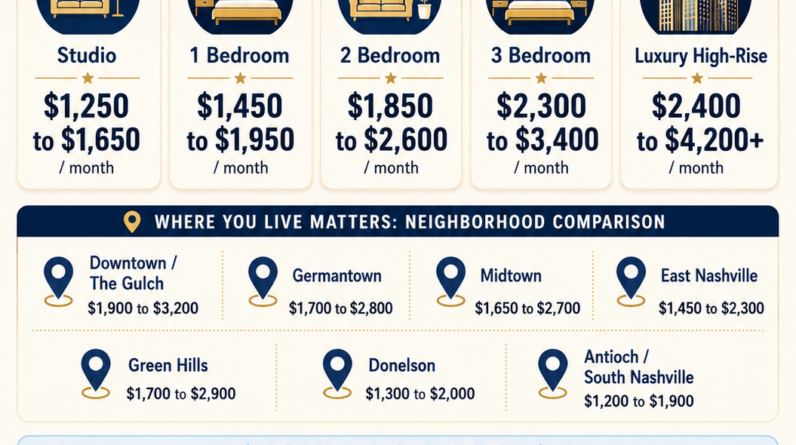
Nashville continues to be a sought-after city for renters, driven by its vibrant culture and expanding job market. In 2024, rental prices have climbed moderately compared to previous years. One-bedroom apartments in popular neighborhoods like East Nashville and The Gulch often range between $1,500 and $2,000 per month. Meanwhile, two-bedroom units typically start at $2,000 and can go as high as $3,000 depending on location and amenities.
Despite the rising costs, Nashville remains more affordable than other major southern cities such as Austin or Charlotte. However, it’s important to budget carefully to accommodate these rental rates, especially if you’re moving alone or with a small household.
Popular Neighborhoods for Renters
Understanding where to look for rental properties can help you find the best living experience. Some neighborhoods continue to attract renters due to their accessibility, vibe, and available amenities:
- East Nashville: Known for its artsy, eclectic atmosphere, this area attracts young professionals and creatives. Rental prices here are moderate but rising quickly.
- Germantown: A trendy neighborhood with historic charm and modern condos. It’s popular among those who prioritize walkability and upscale dining options.
- 12 South: This vibrant area offers a mix of apartments and houses with easy access to shops, cafes, and parks, appealing especially to millennials.
- Green Hills: If you prefer a quieter, suburban feel, Green Hills offers a more residential vibe with spacious rental options, albeit at a higher price point.
Rental Supply and Demand Dynamics
The rental market in Nashville is currently shaped by strong demand as more people relocate for work, particularly in tech, healthcare, and music industries. Supply, however, has struggled to keep pace with this influx. Although new apartment complexes continue to be built, they often don’t absorb demand fast enough, leading to fewer vacancies and quicker lease signings.
Because of this imbalance, tenants often face competitive application processes. It’s common for landlords to request proof of income, a strong credit history, and references. Having your rental application materials ready can increase your chances of securing your preferred unit.
Renting Trends and Preferences
There are several emerging trends shaping how people rent in Nashville today:
- Shorter Lease Terms: Many renters, especially younger professionals, prefer 6- or 9-month leases rather than the traditional 12-month commitment to maintain flexibility.
- Pet-Friendly Properties: With more people seeking to bring pets along, landlords offering pet-friendly units with reasonable pet deposits tend to attract more applicants.
- Increased Demand for Amenities: Community features such as fitness centers, coworking spaces, and outdoor areas are becoming key deciding factors.
- Eco-Friendly and Smart Homes: Sustainable living options and tech integrations, like smart thermostats and keyless entry, are gaining popularity among renters.
How to Navigate Lease Agreements in 2024
Reviewing your lease contract carefully is essential before signing. Key details to watch for include:
- Rent Increases: Understand how and when rent can be raised during your lease period or upon renewal.
- Maintenance Responsibilities: Clarify what repairs you’re responsible for versus what the landlord must maintain.
- Deposit Terms: Know the amount required for security deposits and the conditions for their return.
- Subletting Rules: Verify if subleasing is allowed, if you might need flexibility in the future.
- Notice Period: The required time to notify your landlord before moving out is crucial to avoid penalties.
Impact of Remote Work on Rental Choices
The rise of remote work has shifted rental preferences in Nashville. Many renters now prioritize home offices or additional space that can serve as a workspace. Suburbs and less densely populated neighborhoods have also seen increased interest due to their quieter environments and lower rents.
Flexibility in commuting is less critical for remote workers, leading some to choose rentals farther from downtown or major transit lines. This has subtly diversified the rental market and created opportunities for tenants to find better deals away from the city center.
Practical Tips for Renters Moving to Nashville
- Start Your Search Early: Due to competitive demand, begin looking at least 60 days before your move.
- Visit Properties in Person: If possible, tour apartments to assess neighborhood safety, noise levels, and overall condition.
- Budget for Extra Fees: Keep in mind application fees, security deposits, pet deposits, and utility costs.
- Use Local Rental Platforms: Websites and apps dedicated to Nashville rentals can provide real-time listings and detailed neighborhood info.
- Build Good References: Friendly relationships with past landlords or employers can strengthen your rental application.
Understanding Nashville’s rental market trends in 2024 equips you with the knowledge to make smarter decisions and find a place that suits your lifestyle and budget. Whether you seek urban excitement or suburban calm, staying informed about pricing, neighborhoods, and rental requirements is key to a successful move.
Neighborhoods to Consider When Renting in Nashville
Finding Your Ideal Spot in Nashville
When you’re moving to Nashville and looking to rent, the most important step is to pick a neighborhood that fits your lifestyle, budget, and commute preferences. Nashville is a city with diverse areas, each offering a unique vibe, community feel, and amenities. Recognizing what different parts of the city have to offer can make your renting experience much smoother and more satisfying.
East Nashville: Creative and Vibrant
East Nashville is popular among young professionals, artists, and families who enjoy a creative and eclectic environment. This area features historic homes, trendy coffee shops, and an ever-growing music scene, which complements the city’s country roots. Renting here often means access to local craft breweries, art galleries, and hip boutiques.
Keep in mind, rental prices in East Nashville can vary. While some pockets are more affordable, others have become more upscale with recent development. It’s a good idea to explore the neighborhood in person and check out options near Five Points, a lively commercial district that gives a real sense of the area’s character.
Germantown: Historic Charm with Modern Comforts
Germantown combines the charm of brick streets and Victorian-style buildings with modern apartment complexes and luxury condos. If you’re drawn to a walkable neighborhood with plenty of dining options and quaint boutiques, Germantown could be a perfect fit. It’s centrally located, close to downtown but with a slightly quieter, more residential feel.
Rent prices in Germantown tend to be higher than some other parts of Nashville, reflecting its popularity and proximity to major employers and entertainment venues. However, it offers excellent transit options and easy access to Nashville’s riverfront, ideal for weekend relaxation or outdoor activities.
12 South: Trendy and Convenient
The 12 South neighborhood is another hotspot for renters who appreciate a trendy atmosphere paired with convenience. Here, you’ll find a lively strip of shops, cafés, and restaurants all within walking distance. Whether you’re new to the city or looking for a place with a lively social scene, 12 South balances residential comfort with the buzz of city life.
Rental apartments often come with modern amenities, and the neighborhood appeals to those who want to live near green spaces like Sevier Park. While rents can be on the higher side, the vibrant community and proximity to downtown Nashville add value that renters often find worth the cost.
Green Hills: Upscale Living with Quiet Streets
If you prefer a neighborhood that’s quieter with a suburban feel yet still close to the city, Green Hills presents a solid option. It’s known for upscale shopping centers like The Mall at Green Hills and excellent schools, making it popular among families. Renting here often means living in larger apartments or townhomes with more space.
Transportation access is a factor to consider since Green Hills is a bit farther from downtown Nashville. If you have a car, though, you’ll appreciate the peaceful streets and nearby parks. Expect higher rent prices in this neighborhood, but the quality of life and amenities often justify the expense.
Midtown: A Hub for Entertainment Lovers
For those who want to be in the heart of Nashville’s nightlife and entertainment, Midtown is the place to be. This area is home to many bars, music venues, and restaurants, making it popular with college students and young professionals. Renting here means easy access to Vanderbilt University and quick transportation links to other parts of Nashville.
Midtown offers a mix of historic and modern buildings, with apartments ranging from affordable to more upscale. Noise and busy streets are factors to consider, especially if you prefer a quieter setting. Still, if you thrive on energy and entertainment, this neighborhood has a dynamic vibe hard to beat.
Consider These Key Factors Before Renting
- Budget: Know your maximum rent and be aware of the average rental prices in each neighborhood to avoid surprises.
- Commute: Check the distance and public transportation options to your workplace or school—Nashville’s traffic can be heavy during peak hours.
- Amenities: Decide if having nearby parks, gyms, grocery stores, or public transit is a priority for your daily life.
- Community Feel: Think about whether you want a lively social scene or a quieter neighborhood.
- Safety: Research local crime rates and visit neighborhoods at different times to get a true feel for safety levels.
Moving to Nashville is an exciting adventure filled with new experiences. Taking the time to explore multiple neighborhoods gives you a chance to find a rental home that feels just right. By balancing your lifestyle needs with practical details, you’ll settle in comfortably and enjoy all that this vibrant city has to offer.
Key Costs and Budgeting Advice for Renting in Nashville
Understanding Rental Prices in Nashville
When moving to Nashville, the first thing to consider is the rental price range. The city’s rental market has been on the rise due to increasing demand. On average, you can expect to pay around $1,400 to $1,800 per month for a one-bedroom apartment in popular neighborhoods like East Nashville or The Gulch. Two-bedroom units often range from $1,800 to $2,500 per month, depending on location and amenities.
If you choose outskirts or less central areas, rental prices might be more affordable. Neighborhoods like Antioch or Madison offer lower rents but might involve longer commute times. Be sure to balance price with convenience and lifestyle preferences.
One-Time and Recurring Fees to Budget For
Besides monthly rent, several other costs come with renting a home in Nashville. Understanding these will help you budget more accurately.
- Security Deposit: Landlords typically require a security deposit equal to one month’s rent. This deposit protects the property from damage and is refundable if no issues arise when you move out.
- Application Fees: To apply, you may need to pay a fee of $30 to $50. This covers credit and background checks.
- Utility Costs: Some rentals include utilities, but often you’ll pay for electricity, water, gas, trash pickup, and sometimes internet separately. Budget about $150 to $250 each month depending on usage.
- Renter’s Insurance: Though not mandatory everywhere, many landlords ask for renter’s insurance. This can cost between $10 and $20 per month and protects your belongings in case of theft or damage.
- Pet Fees: If you have pets, expect an additional pet deposit or monthly pet rent. Pet rents can range from $25 to $50 monthly per pet.
How to Plan Your Budget Wisely
Creating a realistic budget is key for managing your Nashville rent without stress. Follow this practical strategy:
- Calculate Your Income: Know your take-home pay after taxes. Experts recommend spending no more than 30% of your monthly income on rent to maintain financial health.
- Estimate Total Housing Costs: Add your rent, utilities, renters insurance, and any pet-related fees. This gives a realistic picture beyond just the monthly rent.
- Prioritize Emergency Savings: Set aside at least three months of living expenses to handle unexpected costs like relocating or job changes.
- Plan for Moving Expenses: Budget for moving services, deposits, and initial supplies. Moving to Nashville may also involve travel or lodging costs if you’re relocating from afar.
Tips to Save on Renting Costs in Nashville
Nashville’s growing popularity means rental prices are competitive. However, there are ways you can reduce costs.
- Consider Roommates: Sharing an apartment divides rent and utilities, significantly lowering your housing expenses.
- Look Beyond Hotspots: Explore neighborhoods on the edge of the city for lower rents, just ensure transportation options fit your needs.
- Negotiate Lease Terms: Some landlords may offer incentives for longer leases or early signing, such as reduced rent or waived fees.
- Time Your Move: Renting during the off-peak season, like winter months, may give you better deals than moving during the busy summer.
- Bundle Services: Combine your internet, cable, and phone services to get discounts that reduce your monthly bills.
Preparing for the Application Process
Rental applications in Nashville often require proof of income, a good credit score, and references. Gather necessary documents like pay stubs, bank statements, and letters from previous landlords ahead of time to simplify the process.
Knowing the market and how much you can reasonably afford also improves your chances of approval. Landlords appreciate tenants who come prepared and can demonstrate financial stability.
Budgeting for Nashville’s Lifestyle Beyond Rent
Remember that rent is only part of living costs in Nashville.
This city offers an exciting cultural scene, dining, and outdoor activities. Set aside funds in your budget for groceries, transportation, health care, and entertainment to fully enjoy your new home without financial strain.
By understanding and planning for all these costs, you can confidently rent in Nashville and start your life there on solid financial footing.
Navigating Lease Agreements and Tenant Rights in Nashville
Understanding Your Lease Agreement in Nashville
When you’re moving to Nashville and looking to rent, getting familiar with the lease agreement is a crucial step. This legally binding document outlines your rights and responsibilities as a tenant, as well as the obligations of your landlord. Before signing, make sure you read every section carefully and ask questions if anything is unclear. Lease agreements can vary, but they generally cover the rental term, monthly rent, security deposit details, maintenance responsibilities, and policies on pets or guests.
In Nashville, many leases run for one year, but you may find shorter or longer terms depending on the landlord or property management company. Pay close attention to the clauses about breaking the lease early and any penalties involved. It’s also important to note the procedure for renewing the lease or what happens when the term ends.
Key Clauses to Look Out For
- Rent Payment Terms: Look for when the rent is due, acceptable payment methods, and any late fees.
- Security Deposit: Understand how much is required, conditions for its return, and deductions that may be made.
- Maintenance and Repairs: Clarify who is responsible for routine maintenance and how to report any issues.
- Rules About Modifications: This covers whether you can make changes like painting walls or installing shelves.
- Pet Policy: Confirm if pets are allowed and any associated fees or restrictions.
Your Rights as a Tenant Under Tennessee Law
Tenants in Nashville are protected by Tennessee’s landlord-tenant laws, which ensure fair treatment and proper housing conditions. As a tenant, you have the right to a safe, habitable living space. This means the landlord must provide essential services such as water, heating, and electricity, and conduct necessary repairs in a timely manner.
You also have the right to privacy. Landlords must give reasonable notice before entering your rental unit, usually 24 to 48 hours, unless there’s an emergency. Keeping this balance is important for maintaining a good tenant-landlord relationship.
Steps to Take if Problems Arise
If your landlord does not fulfill their responsibilities or violates the lease terms, you have several options. Start by communicating your concerns in writing. Documenting the issues and your communications helps build a clear record.
If the problems persist, you might consider contacting local tenant advocacy groups or the Tennessee Human Rights Commission for advice. In cases where your rental unit is not safe or livable, Tennessee law allows you to withhold rent or make repairs and deduct the cost from rent, but be sure to follow the proper legal procedures or consult with a legal expert to avoid complications.
Important Considerations for Renters in Nashville
- Deposit Limits: Tennessee law does not cap security deposits, but many landlords ask for one month’s rent, sometimes more. Understand the exact amount and conditions for its return.
- Rent Increases: There are no state limits on rent hikes, but landlords must provide advance written notice. Usually, a 30-day notice is required before increasing rent when the lease ends.
- Eviction Process: If you face eviction, landlords must follow specific legal procedures including providing a written notice that states the cause. Evictions can’t happen without proper court orders.
- Utilities: Know which utilities you are responsible for. Some apartments include water and trash, but you might need to set up electric, gas, or internet services yourself.
Tips for Negotiating Your Lease
Before you sign, don’t hesitate to negotiate terms with your landlord. You can discuss rent price, lease length, pet policies, or maintenance responsibilities. A well-negotiated lease can make your renting experience in Nashville more comfortable and affordable.
If you need time to review the lease, ask your landlord for a copy in advance. Take this chance to check for any unusual clauses like automatic lease renewal or high penalties for late payment.
Resources to Support You
Nashville offers several resources for renters. The Metro Nashville Tenant Union is an organization working to educate and protect tenants’ rights. Legal aid societies can provide free or low-cost legal advice if you face disputes with your landlord.
Additionally, Tennessee’s official government websites have guides and forms related to renting, helping you understand your lease and rights clearly. Using these resources can empower you to make informed decisions and ensure your rental experience goes smoothly.
Moving to Nashville is exciting, and being well-informed about lease agreements and tenant rights puts you in control. Make sure to take your time reviewing contracts, keep open communication with your landlord, and know that local laws protect your interests as a tenant. Doing so will help you settle comfortably in Music City’s vibrant rental market.
Conclusion
Moving to Nashville and renting your first home can be an exciting journey, especially when you’re well-prepared. By understanding the current rental market trends in 2024, you’ll know what to expect in terms of availability and pricing. Exploring different neighborhoods helps you find a community that matches your lifestyle, whether you want a bustling urban vibe or a quieter suburban feel. Keeping a close eye on key costs ensures your budget stays on track, avoiding surprises that could strain your finances. knowing your rights and responsibilities as a tenant empowers you during lease negotiations and helps you feel confident throughout your renting experience. With these insights, you’re set to make informed choices and enjoy everything Nashville has to offer.